
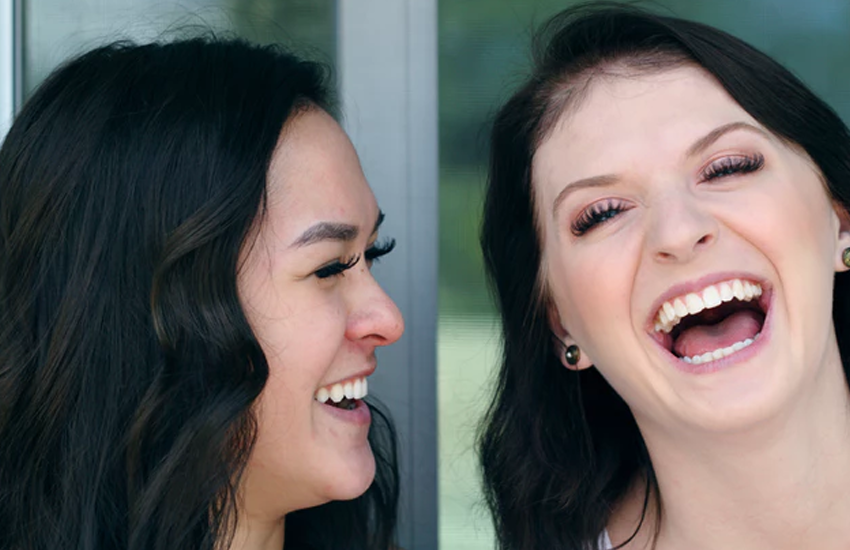
When we’re school-aged, making friends often feels natural and built into daily life. As adults, it’s different. For many women, it can feel surprisingly hard for a woman to make female friends—whether she’s navigating a workplace, working from home, raising kids, or juggling multiple roles that leave little margin for connection.
Friendship doesn’t just fade because we’re busy. It often fades because adult life removes the built-in structures that once made connection easy. And yet, research continues to show that meaningful friendships are strongly tied to emotional health, stress resilience, and overall well-being. When those connections are missing, loneliness can creep in quietly—even when life looks full from the outside.
Here are four ways to begin building real, meaningful friendships with other women—no matter what your day-to-day life looks like.
1. Make It a Priority (Even When There’s No Natural Container)
As adults, friendship rarely happens by accident. If you don’t work in an office—or you work remotely—you may not have daily, low-stakes opportunities to connect with the same people over time.
That means friendship often requires intentional containers: a recurring walk, a standing coffee date, a book club, a gym class you attend consistently, or showing up to the same community events week after week. Priority doesn’t mean overcommitting—it means choosing one or two places where connection has a chance to build naturally.
Consistency matters more than charisma.
Places Women in Round Rock & Central Texas Often Find Like-Minded Friends
If you’re wondering where to actually meet other women, starting in spaces built around shared interests tends to feel safer—and more sustainable—than trying to force connection in random settings.
For women in Round Rock and the greater Central Texas area, some approachable, low-pressure options include:
-
Meetup groups in Round Rock, Georgetown, Cedar Park, and North Austin that focus on walking groups, book clubs, hiking, crafting, or professional interests. Platforms like Meetup allow you to search by location and interest, making it easier to find groups that fit your pace and preferences.
-
Local Facebook groups centered around neighborhoods, parenting stages, women’s wellness, creative interests, or professional communities. Browsing Facebook Groups tied to Central Texas can be especially helpful if you work from home or are new to the area.
-
Community-based hobby or interest groups, such as fitness studios, yoga classes, art workshops, volunteer organizations, faith communities, or continuing education classes. Local resources like Community Impact allow you to select your city and see what’s happening nearby—events, classes, and community gatherings that can create natural opportunities for connection.
-
Recurring, structured activities rather than one-off events. Seeing the same people over time creates familiarity and lowers the pressure to connect quickly.
These spaces tend to feel safer because they’re purpose-driven, predictable, and allow relationships to develop gradually. For women who’ve had painful or disappointing past friendships, these structured environments often feel less risky and easier to navigate.
If one environment doesn’t feel like a fit, it doesn’t mean friendship isn’t possible—it simply means that container wasn’t the right one for you.
2. Focus on Alignment, Not Availability
It can be tempting to pursue friendship with whoever is nearby, responsive, or simply willing. But sustainable friendships tend to form around shared values, emotional safety, and mutual effort—not just convenience.
Rather than asking, Who’s around? try asking:
-
Who feels emotionally steady to be around?
-
Who seems curious, kind, or emotionally available?
-
Who leaves me feeling more like myself, not less?
When a woman tries to make female friends by focusing on alignment instead of approval, the connections that form tend to last longer and feel less draining.
3. Expect Rejection—and Don’t Assume the Story
Reaching out to another woman can feel vulnerable. You may suggest meeting up and receive a lukewarm response—or none at all.
It’s important not to automatically interpret that as personal rejection. Many women are already overwhelmed, burnt out, or stretched thin. A lack of follow-through often reflects capacity, not character.
This doesn’t mean you keep chasing unavailable people. It means you stay open without turning every “no” into a story about your worth. Keep extending invitations, notice who reciprocates, and allow yourself to move toward the connections that move back toward you.
4. Build Slowly—and Allow Depth to Develop Over Time
Real friendship rarely forms in one conversation. It develops through repeated, low-pressure interactions where trust can grow naturally.
This is especially true for women who work from home or spend much of their time caregiving—roles that can feel isolating even when they’re meaningful. Depth comes from showing up again, sharing a little more each time, and allowing the relationship to unfold rather than forcing intimacy too quickly.
Friendship isn’t built through intensity. It’s built through steadiness.
When You’re Doing All the “Right” Things—and It Still Feels Hard
For some women, making friends feels difficult no matter how much effort they put in. If that’s you, it doesn’t mean you’re doing something wrong.
Adult female friendships are often shaped by more than behavior alone. Past relational experiences, attachment patterns, and unspoken fears can quietly influence how safe connection feels and how available we are to others. Understanding those deeper layers can be an important part of changing the pattern.
If you find yourself repeatedly feeling discouraged, disconnected, or unsure why friendship feels harder than it “should,” working with a therapist can help you make sense of what’s happening beneath the surface.
At The Sparrow Center, we help women in Round Rock and the surrounding Central Texas area explore the patterns that shape their relationships and build connections that feel safer, more mutual, and more sustaining. When you’re ready, we’re here to help.